
Custom Glass Fabrication vs. Standard Glass: Which Option Fits Your Project?


You measure the opening twice. You order the glass online. Then it arrives a quarter inch too small.
We have seen this happen more often than you might guess. Choosing between stock and tailored glass can save you real stress.
If your project is in Southwest Florida, custom glass fabrication in Fort Myers is worth a close look before you buy. Let us walk you through the choice in plain terms.
What Standard Glass Really Means
Standard glass comes in set sizes and shapes. Factories make it in large batches, so you can pick it from a catalog or a shelf.
This option is fast and often costs less at first. It works well when your opening matches a common size, like a basic window or a simple tabletop.
The trouble starts when your space is not truly standard. Walls lean a little, floors slope, and even new buildings shift over time.
A fixed panel then needs thick frames, filler, or trim to hide the gaps.
What Custom Glass Fabrication Means
Custom glass is cut, shaped, and finished to your exact measurements. A fabricator starts with your space instead of a catalog, then builds the glass to fit it. Fabrication covers more than size.
It also includes curves, hardware cutouts, polished edges, tints, and coatings. You can pick the strength too. Tempered glass is heat-treated to resist impact. Laminated glass has a plastic layer inside, so the pieces stay together if it cracks.
In our experience, the best results start with careful measuring. A good template or digital scan saves time and money later.
Standard vs. Custom Glass: The Key Differences
Here is a simple way to compare the two.
●Fit: Standard glass suits common openings. Custom glass handles odd angles, curves, and older walls without gaps.
●Look: Stock panels often need visible frames. Custom glass can look cleaner, with slim frames or none at all.
●Strength: Stock glass varies by maker. With custom glass, you choose the thickness and type for the job.
●Lead time: Stock glass is often ready sooner. Custom glass takes longer because it is built just for you.
●Upfront cost: Standard glass usually costs less on day one. Custom glass can cost more at first.
When Standard Glass Is the Smart Choice
We never push custom work when it is not needed. Standard glass is a good fit in these cases:
●Your opening is a common size. A stock panel drops right in with no extra work.
●You need it fast. Ready-made glass skips the wait for fabrication.
●The project is simple and low risk. A garage window or a basic shelf rarely needs special work.
●Your budget is tight. Stock glass keeps the upfront price low.
When Custom Glass Is the Better Fit
Custom glass shines when your project has a twist. Here are a few examples we see often. A homeowner wants a shower door for a slightly crooked wall.
Stock glass leaves a gap, and water leaks out. A custom panel follows the wall and seals cleanly.
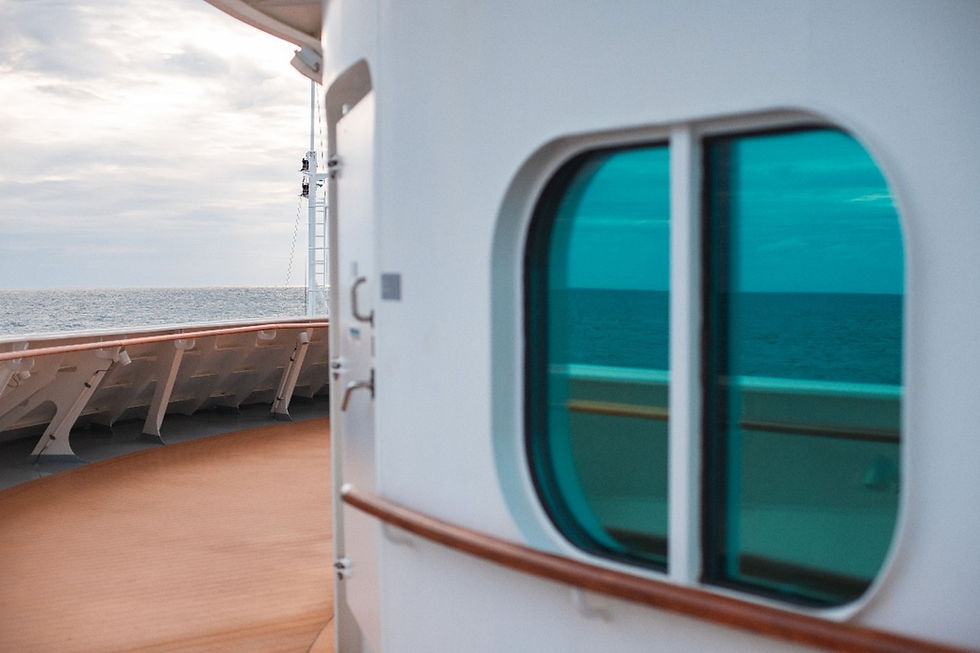
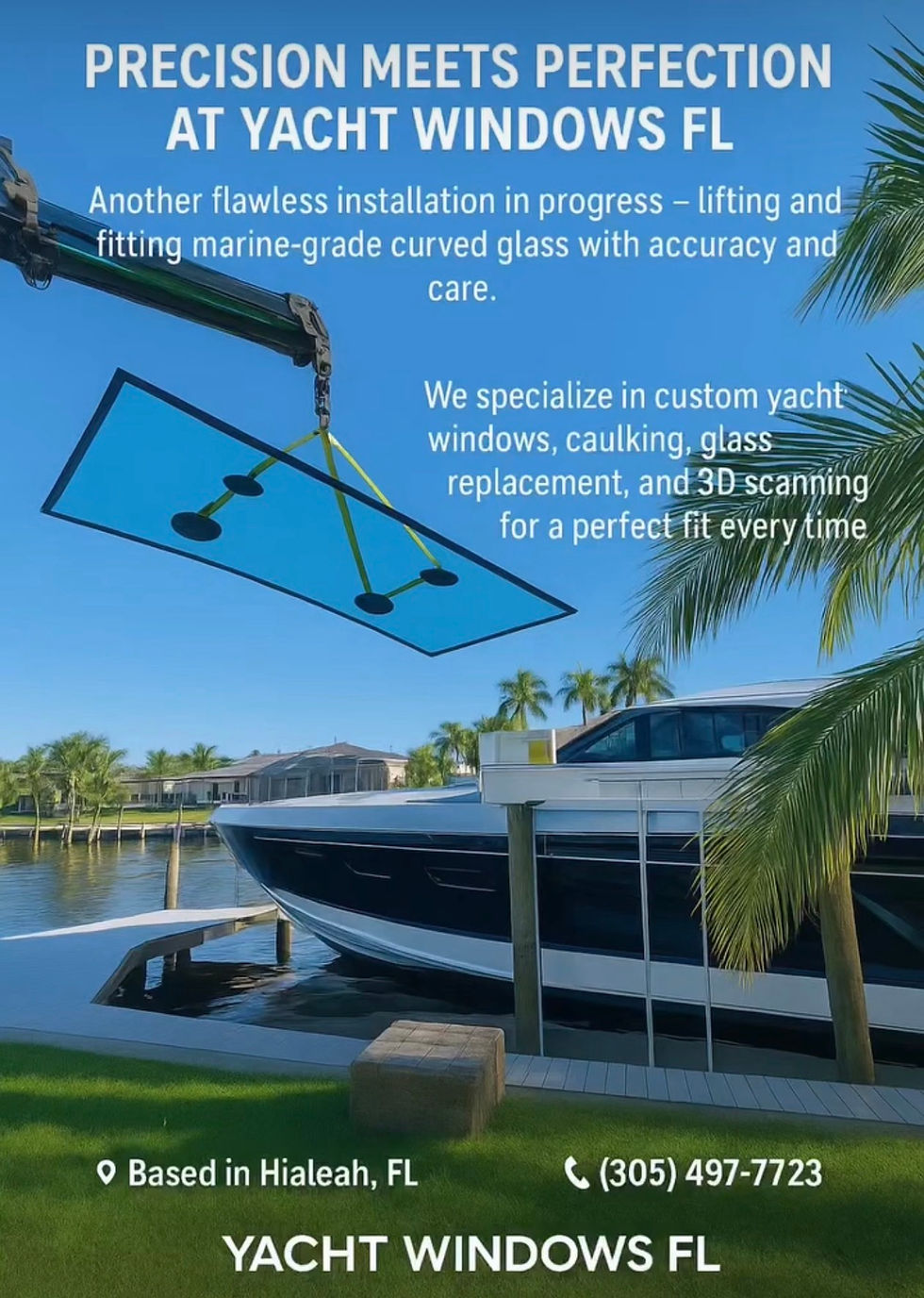
A boat owner needs a curved window to match the shape of the vessel. No shelf item will fit a curve like that. Only fabricated glass can follow the line of the hull.
A business owner wants a glass partition with a clean edge and no bulky frame. Custom fabrication lets the final piece match the design plan.
If your project has odd sizes, curves, or special safety needs, custom work is usually worth a look.
Why Florida Weather Changes the Answer
Salt air, humidity, and strong sun are hard on glass and hardware. Storms add wind pressure and flying debris. Building rules near the coast often set strength limits for glass as well.
With custom glass fabrication in Fort Myers, you can choose glass made for these conditions. Laminated glass holds together when it cracks.
Tempered glass resists impact and breaks into small, blunt pieces. Marine-grade materials stand up better to salt and moisture.
Always check local codes before you buy. A licensed pro can tell you what your area requires.
How the Custom Process Works, Step by Step
The process feels simpler than most people expect. Here is how it usually goes.
Step 1: Measure the Space
A pro measures every edge and checks for slopes and leans. For tricky shapes, a digital scan can capture exact curves. Accurate numbers at this stage prevent most problems later.
Step 2: Choose Your Materials
Next, you pick the glass type, thickness, and finish. Options often include tempered glass, laminated glass, acrylic, and polycarbonate. Acrylic is light but scratches easily. Polycarbonate is very impact resistant. Tempered glass offers great clarity and durability.
Step 3: Fabricate the Glass
The glass is cut, shaped, and finished in a shop. This is where custom glass fabrication in Fort Myers turns your measurements into a real panel. Simple jobs can move quickly. Complex shapes take more time.
Step 4: Install and Inspect
Last, the team installs the glass and seals it. They check the fit, the seals, and the hardware. A good installer also shows you how to care for your new glass.
Does Custom Glass Pay Off Over Time?
Standard glass often wins on day one. Custom glass can win over the years. A poor fit lets in leaks, drafts, and noise.
Gaps trap moisture and wear down seals. Repairs and early replacements add up fast. Well-fitted glass tends to last longer.
On boats, windows with proper sealing and care can last 10 to 20 years. We always tell clients to think about the full cost, not just the first price tag.
FAQs
Q - Can I use standard glass in an uneven or curved opening?
A - Often, no. Stock glass leaves gaps in uneven or curved openings. Those gaps cause leaks and drafts, and trim can only hide so much. A custom piece fits cleanly and seals better.
Q - How long does custom glass fabrication take?
A - Simple repairs can take a few hours. Full replacements or custom fabrication often take several days. Timing depends on the size, shape, and material you choose.
Q - What types of glass can be custom made?
A - Custom work can use tempered glass, laminated glass, acrylic, or polycarbonate. Tempered glass offers strength and clarity. Polycarbonate resists impact well. Acrylic is light and costs less, but it scratches easily.
Q - How do I care for custom glass in a coastal area?
A - Use a soft cloth and a mild, non-abrasive cleaner. Avoid harsh chemicals. Rinse off salt often, and check seals now and then, since sun and salt wear them down.
Q - Is custom glass worth it for a small project?
A - It depends. For a common size and simple use, standard glass works fine. If the fit is odd, safety matters, or the weather is harsh, custom glass often saves money later.
Ready for Glass Cut to Your Exact Fit?
If you are weighing your options, we would love to help. At American Marine & Associates, Inc., we fabricate custom marine glass, including curved and uniquely shaped windows, windshields, and doors.
We work on vessels from small private yachts to large commercial boats. Send us your measurements, and we will walk you through your choices.
Reach out for a free quote and see how custom glass fabrication in Fort Myers can fit your project.

Comments